
Combatting Myths and Stigmas About OCD
Obsessive-compulsive disorder (OCD) is a chronic mental disorder that many people suffer from. However, like any other chronic or mental
Obsessive-compulsive disorder (OCD) is a chronic mental disorder that many people suffer from. However, like any other chronic or mental

Some addictive substances, such as legally prescribed medications or alcohol, are okay to use when taken with precaution or in

Part of the recovery process for mental health disorders is being able to understand your mental illness. For people diagnosed with an anxiety disorder, this may include knowing your triggers, identifying the sources of your anxiety, and knowing what type of anxiety you have.

Everyone’s recovery process is different because no two people’s substance use disorders are alike. The appropriate treatment may depend on how long you’ve been using the substance, the presence of a co-occurring disorder, your economic background, the substance you’re addicted to, your age, gender, and more. Various therapies, facilities, support groups, medications, and emotional management tools work differently for everyone.
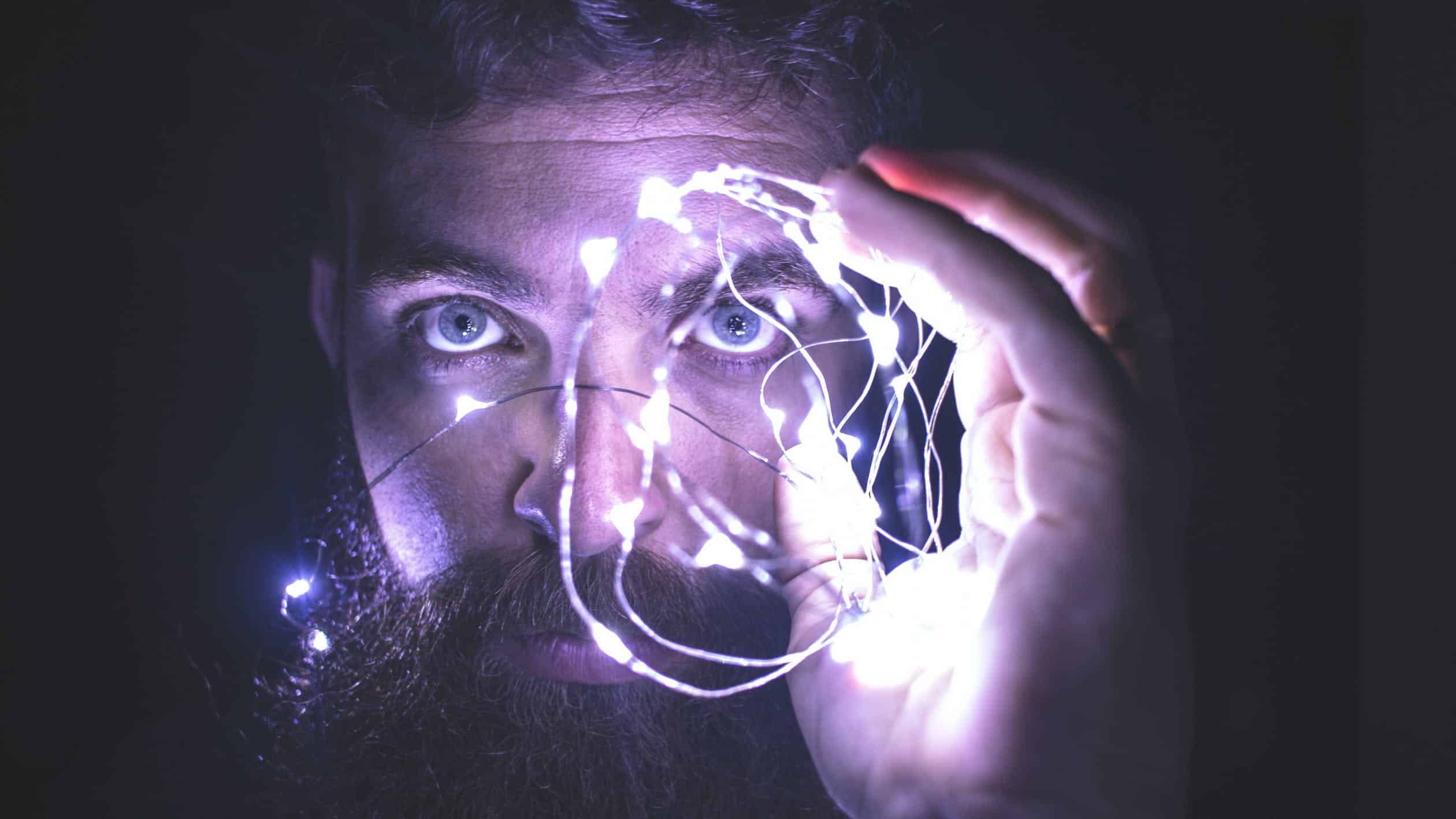
It is largely well-known that substances like drugs and alcohol can negatively impact your brain and body. The overuse of substances can lead to substance use disorder which is caused by these changes in your brain. It can also harm your body, leading to potential long-term health problems.

Marijuana is becoming easier and easier to obtain for both medical and recreational purposes. While attitudes towards marijuana usage may have become more relaxed, today’s marijuana has three times the concentration of THC than it did 25 years ago.

While attitudes towards mental illness have changed over the years due to research, the establishment of government programs, and advocacy from numerous non-profit organizations, there is still a stigma surrounding mental illness due to misconceptions, misinformation, and prejudice. Often ignorance and a lack of empathy can handicap people’s ability to understand someone who behaves differently from them or the societal norms they are accustomed to.

It’s common for people who suffer from borderline personality disorder (BPD) to be misdiagnosed with bipolar disorder (BP). Bipolar I

Substance use disorder (SUD) is a chronic disorder, meaning that it is something that people will continually struggle with, even after treatment. There are high rates of people who relapse after inpatient or other intensive types of treatment. However, research shows that people who participate in support groups have a lesser chance of relapse. Having a support group could help you stay focused on your sobriety goals.