Home - Supportive Housing
Supportive Housing Partners
We recognize that recovery goes beyond attending therapy sessions. It also involves a supportive and stable environment. In this environment, individuals can cultivate healthy habits, gain essential life skills, and develop tools to thrive in the long term. Our supportive housing partners provide valueable assistance.
What is supportive housing?
Change is a crucial part of recovery. However, developing and maintaining healthy habits requires time, patience, and consistent support. Supportive housing provides a strong foundation for advancing one’s mental health journey. It offers a structured, safe, and encouraging environment. With 24-hour staffing, wellness-focused amenities, and a nurturing atmosphere, these program fosters connection, accountability, and personal growth. This creates a pathway toward long-term success.
Supportive housing for mental health incorporates a unique approach. It allows individuals to live in a community setting. This environment encourages emotional stability, healthy routines, and peer support. Ultimately, the goal is to offer tools, guidance, and resources to continue recovery in a secure space, paving the way for a fulfilling life.
Benefits of supportive housing
Supportive housing plays a crucial role in the mental health recovery process. Not only does it provide necessary structure, but it also offers support to help individuals live independently. This, in turn, allows them to continue their healing journey. Additionally, the benefits of supportive housing program for mental health include:
Connection and guidance
One of the key benefits of supportive housing is the opportunity to connect with others on their recovery journey. Through group activities, shared experiences, and consistent support from professionals, individuals foster meaningful connections. Moreover, this sense of connection and belonging creates a solid foundation for recovery. It offers emotional support during challenging moments and strengthens resilience along the way.
24-hour staffing
Supportive housing can be staffed 24 hours a day, providing assistance as often as possible. Whether individuals require guidance, support with medication management, or help navigating a particularly difficult moment, supportive livings are here to provide assistance. Furthermore, this availability of support fosters a sense of security within the living environment, which, in turn, enhances individuals’ ability to concentrate fully on their recovery journey.
Community integration
We strongly believe in the importance of building meaningful connections with others in a fun and engaging way. Supportive housing programs can incorporate weekly outings, including activities such as bowling, hiking, and go-karting, to actively encourage social interaction and recreational engagement. Moreover, these outings not only help reduce feelings of isolation but also promote a sense of community among participants. Additionally, they foster positive mental health by creating opportunities for individuals to bond, relax, and enjoy shared experiences in a supportive environment.
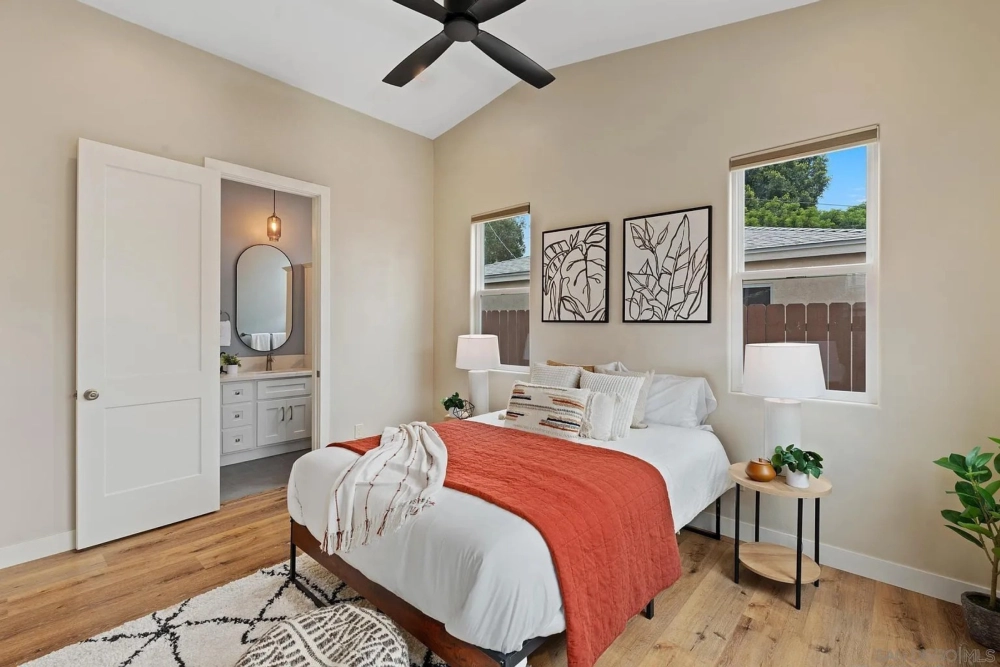
Structured support
Supportive housing programs can include structured support designed to promote holistic well-being. This can include:
- Breakfast Provisions: Starting the day with a nutritious meal helps stabilize emotions and improve energy levels.
- Medication Management Assistance: Residents can receive help in managing their medications.
- Fitness Facilities: Exercise is an essential part of managing mental health, and residents have access to gyms and fitness resources to encourage physical wellness and stress reduction.

The importance of healthy routines in mental health management
A key component of supportive housing is the intentional establishment of healthy routines, which significantly contribute to stabilizing emotions, improving sleep patterns, and promoting overall mental well-being. Supportive housing program for mental health incorporates structured schedules that actively assist individuals in developing routines designed to foster emotional stability and encourage personal growth. Additionally, these routines provide a foundation for creating positive habits, further supporting recovery and enhancing overall wellness.
Why healthy routines matter
Having a regular routine is, without a doubt, one of the most effective ways to manage mental health successfully. Moreover, consistency plays a vital role in regulating emotions, reducing anxiety, and fostering a sense of control. For individuals facing mental health challenges, healthy routines are especially beneficial because they provide much-needed stability in a world that often feels unpredictable and overwhelming. Additionally, these routines create a sense of structure, which further supports emotional balance and enhances overall well-being.
Components of a healthy routine in supportive housing
Supportive housing programs integrate various components of a healthy routine that encourage both mental and physical wellness, ultimately supporting overall well-being:
- Scheduled Activities: Residents participate in daily activities, which are specifically designed to provide structure and purpose, helping to promote stability.
- Gym Memberships: Physical wellness plays a crucial role in mental health. Consequently, access to gyms and fitness activities encourages stress reduction while boosting physical well-being.
- Balanced Nutrition: Balanced meals support cognitive function but also foster emotional balance and overall health.
By establishing a consistent routine within supportive housing, individuals gain the stability needed to manage their mental health effectively while working toward long-term recovery.
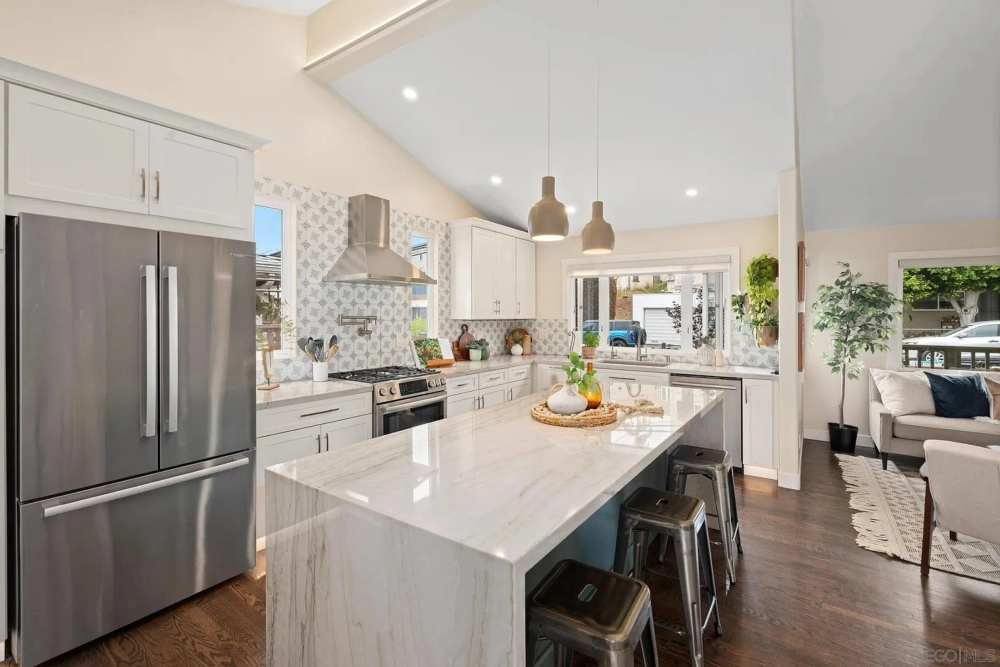
Peer support: building lifelong connections
We recognize the power of peer support in the healing process. Indeed, living in a supportive housing environment allows individuals to connect with others who share similar experiences and challenges. As a result, this mutual support fosters a sense of community, camaraderie, and accountability, all of which are essential for lasting recovery.
The power of peer support
Healing is often significantly enhanced when shared experiences and mutual encouragement are present. For instance, by living in a community-focused environment, individuals can consistently support each other, effectively reduce feelings of isolation, and actively learn from others’ experiences. Furthermore, peer support naturally fosters empathy, boosts self-esteem, and strongly encourages individuals to remain committed to their recovery journey.
Creating a network of support
Supportive housing programs provide numerous opportunities for group activities, shared living spaces, and building lasting relationships. These interactions promote a strong sense of belonging, reduce loneliness, and foster the development of a reliable support network. As a result, individuals feel more confident in their ability to navigate challenges and maintain their commitment to recovery.
Responsibility: building accountability
In recovery, personal responsibility is vital to achieving long-term success. Supportive housing helps individuals build accountability through routine tasks. Additionally, by maintaining structure and consistency, this environment fosters ownership over progress and promotes sustainable, meaningful recovery.
Learning responsibility in recovery
Supportive housing, moreover, actively encourages personal responsibility by helping individuals to maintain shared living spaces and manage their needs. Additionally, by contributing to community activities, residents build accountability and develop a sense of belonging. Through these efforts, individuals gradually learn to take ownership of their recovery process and gain essential life skills.
Accountability as a recovery tool
Incorporating accountability into the recovery process is, therefore, critical for success. Residents in supportive housing programs are consistently encouraged to take responsibility for their actions and decisions. Additionally, this approach fosters empowerment, helping individuals feel more in control of their progress. Furthermore, it motivates them to stay committed to their mental health and wellness goals.
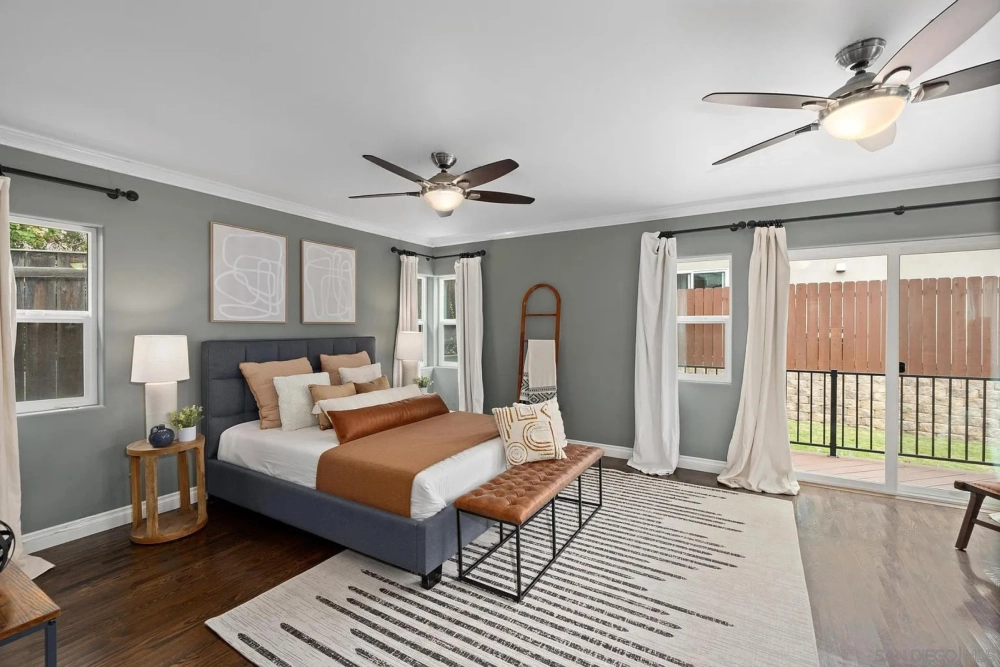
Implementation of life skills
One of the most valuable aspects of our supportive housing program is the strong focus on life skills. These practical skills, therefore, are essential for individuals who are looking to live independently after completing their treatment.
Why life skills matter
Life skills are essential for managing daily responsibilities and handling life’s challenges. Therefore, supportive housing programs focus on building these skills. This gives individuals the tools they need to succeed after treatment.
Focus areas of life skills training
- Time management
- Budgeting and meal preparation
- Conflict resolution and communication
Through life skills training, individuals in supportive housing for mental health program gain the confidence and abilities they need. As a result, they succeed in everyday life and continue their recovery long after leaving our program.
If you or a loved one is looking for a supportive, structured environment, Park Mental Health’s supportive housing partners can help. Additionally, they provide the foundation for healing and growth. Call us today to learn more about how a supportive housing program can support your recovery.
Your most frequently asked questions, answered.
What areas do you cover?
Park Mental Health Treatment covers the San Diego, California area. If you are unsure of whether you are near our facility, please either submit an online form or alternatively contact a member of our team today on 866-420-2524.
Do you provide outpatient care?
Yes, Park Mental Health Treatment has the facilities to cater to outpatient care. Alternatively, if you require inpatient care, we also have partnerships with facilities around the San Diego, CA area. These partnerships can cater to inpatient therapies, ensuring you receive the care you need.
How do I get in contact?
To contact a member of our team, either complete an online form or call us directly on 866-420-2524.